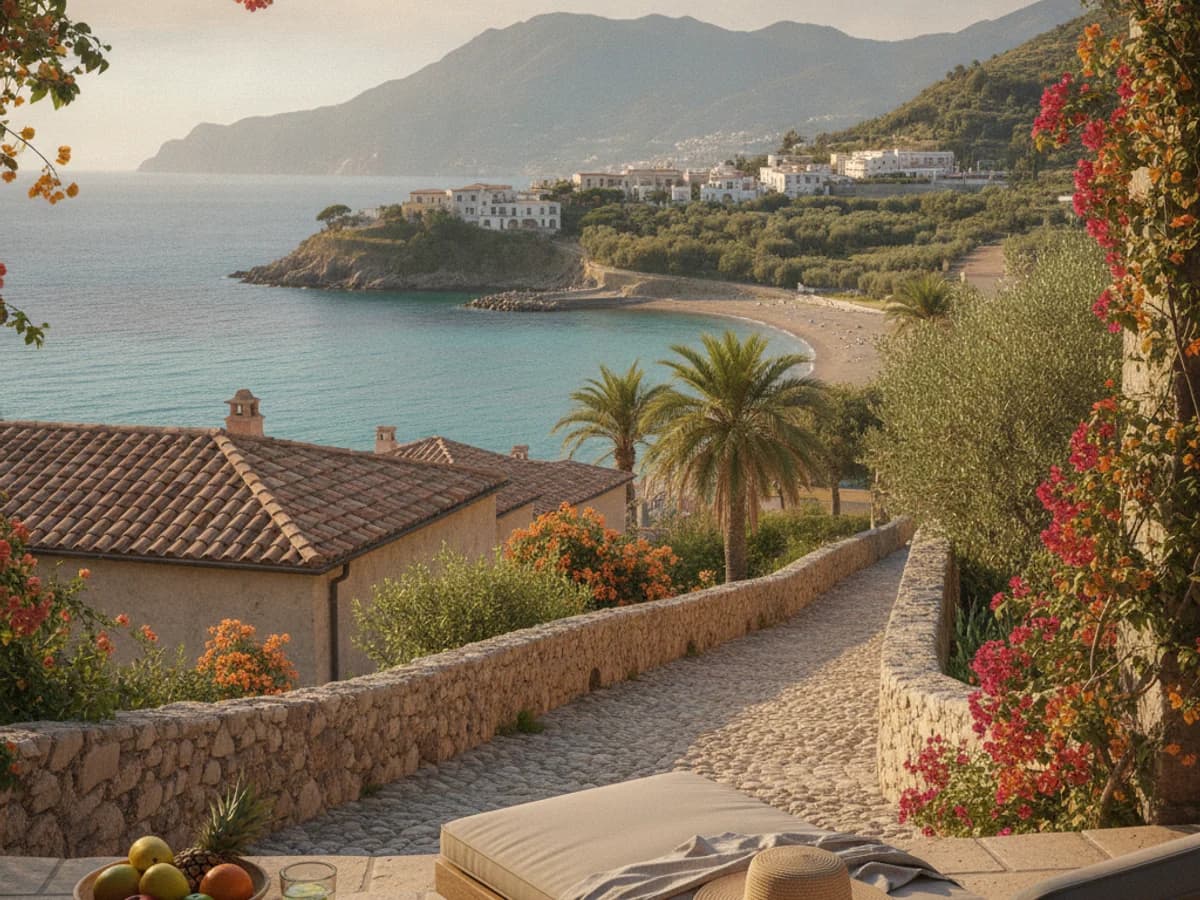

Italy's climate is one of its greatest selling points for retirees — but it varies dramatically from north to south. Whether you're dreaming of mild Mediterranean winters, crisp Alpine air, or year-round Sicilian sunshine, understanding Italy's regional weather patterns is essential before choosing where to settle.
⚠️ Important Information
This article is provided for informational purposes only and does not constitute legal, tax, or financial advice. Consult a qualified professional for your personal situation.
From the snow-capped Dolomites to the sun-drenched shores of Calabria, Italy spans over 1,200 kilometers from north to south. That distance creates wildly different living conditions across regions. A retiree who loves mild, dry summers will thrive in Sardinia; someone who prefers cooler temperatures and four distinct seasons may prefer Tuscany or Umbria. This guide breaks down what you can realistically expect — by region, by season — so your retirement home matches your lifestyle.
📌 Key Takeaways
- Italy has 5 distinct climate zones, each offering a different retirement experience
- Southern Italy and the islands get 2,500–3,000+ hours of sunshine per year
- Northern winters can be cold and foggy, especially in the Po Valley
- Coastal regions offer milder winters but humid summers
- Tuscany and Umbria offer a balanced four-season climate ideal for many retirees
Italy's 5 Climate Zones Explained
Italy isn't a single climate — it's a mosaic. The Italian National Institute of Statistics (ISTAT) and the Italian Meteorological Society identify 5 primary climate zones across the peninsula.
Alpine (North): Regions like Valle d'Aosta and Trentino-Alto Adige experience cold, snowy winters and cool summers. Ideal for retirees who love skiing and mountain hikes, but winters can last 5 months.
Po Valley / Continental (Northwest and Northeast): Cities like Milan, Turin, and Bologna sit in Italy's flat northern basin. Summers are hot and humid, winters cold and foggy. The famous "nebbia" (fog) of the Po Valley is not a myth — it settles for weeks between November and February.
Apennine (Central highlands): Inland Tuscany, Umbria, and Abruzzo have a temperate continental climate. Summers are warm but manageable; winters bring occasional snow at altitude. This is the sweet spot for retirees who want proper seasons without extreme heat.
Tyrrhenian Mediterranean (West coast): From the Ligurian Riviera down through Lazio, Campania, and Calabria, this coastal strip enjoys mild, wet winters and hot, dry summers. Rome, Naples, and the Amalfi Coast sit in this zone.
Adriatic and Southern Mediterranean: The east coast (Puglia, Molise) and the islands (Sicily, Sardinia) experience the most sunshine — often 300+ sunny days per year — and the least rainfall. Summers are intense; winters are short and mild.
Sunshine Hours: Where the Sun Actually Shines
For many retirees, sunshine is a top priority — and Italy's numbers are impressive compared to Northern Europe.
| Region | Annual Sunshine Hours | Winter Avg Temp (°C) | Summer Avg Temp (°C) | Annual Rainfall (mm) |
|---|---|---|---|---|
| Sicily (Palermo) | 2,700 | 11–13°C | 28–32°C | 550 |
| Sardinia (Cagliari) | 2,800 | 10–14°C | 26–31°C | 450 |
| Puglia (Lecce) | 2,600 | 8–13°C | 27–33°C | 600 |
| Tuscany (Florence) | 1,950 | 4–10°C | 24–33°C | 870 |
| Lazio (Rome) | 2,400 | 7–13°C | 26–32°C | 790 |
| Liguria (Genoa) | 1,800 | 7–13°C | 24–29°C | 1,100 |
| Lombardy (Milan) | 1,700 | 0–5°C | 23–30°C | 1,000 |
Source: Italian Meteorological Society (SIMM), 30-year climate averages.
The data is striking: Sicily and Sardinia offer nearly double the sunshine hours of the Po Valley. If your retirement goal is outdoor living — morning walks, café terraces, garden afternoons — the south and the islands deliver far more usable days per year.
The Best Regions by Lifestyle Type
For Mild Year-Round Weather: Sardinia and Sicily
Both islands enjoy the mildest winters in Italy. January averages in Palermo hover around 12°C, and even inland Sardinia rarely dips below 8°C at sea level. Summer heat can peak above 35°C in July and August, but sea breezes make coastal living manageable.
Sardinia in particular is frequently cited by expats as having near-perfect weather between April and November. The island also has an exceptionally low humidity in summer compared to mainland southern Italy.
For a Balanced Four-Season Climate: Tuscany and Umbria
Tuscany remains one of the most popular retirement destinations in Italy — and climate is a big reason why. Winters in Siena or Perugia are cool and crisp, with occasional snow, but rarely severe. Summers are warm without the brutal heat of the deep south.
Florence is a notable exception: it sits in a river valley that traps heat in summer, pushing temperatures above 35°C regularly in July. If you're Tuscany-bound, smaller hill towns like Montepulciano or Cortona offer 3–5°C cooler summers than the city.
If you're still comparing regions, our in-depth guide on best regions to retire in Italy covers everything from healthcare infrastructure to cost of living by area.
For Mild Winters Without Island Life: The Ligurian Riviera
Liguria — the narrow coastal strip between Genoa and the French border — has a uniquely sheltered microclimate. The Apennines block cold northern winds, creating conditions similar to the French Côte d'Azur. Cities like Sanremo and Bordighera see winter temperatures rarely falling below 8°C, with spring arriving early.
The trade-off: Liguria is one of Italy's more expensive regions, and the terrain is mountainous, which can be challenging for retirees with mobility concerns.
For City Lovers: Rome and Naples
Rome enjoys over 2,400 sunshine hours per year and a classic Mediterranean climate. Winters are mild (rarely below 5°C), and the city's size means world-class healthcare, transport, and cultural amenities.
Naples is warmer still, with a powerful cultural identity and proximity to Amalfi, Pompeii, and the Campanian countryside. Both cities do experience hot, humid summers — July and August can feel oppressive in the urban core.
💡 Good to know
If you plan to settle in a southern city, budget for air conditioning installation and running costs. Summer electricity bills in Sicily or Puglia can reach €150–€200/month in older buildings without good insulation.
Seasonal Considerations for Retirees
Spring (March–May)
Spring is arguably Italy's finest season. Temperatures across the country are pleasant, wildflowers bloom across the countryside, and tourist crowds haven't yet arrived. This is the ideal time to visit potential retirement towns before committing.
Summer (June–August)
Peak heat arrives across Italy. Coastal and southern regions can exceed 38°C. Northern cities like Milan and Bologna become sticky and humid. The mountains offer relief — Trentino and the Dolomites enjoy summer highs of just 20–24°C. Many Italian retirees themselves migrate to the mountains in August.
Autumn (September–November)
Often underrated, Italian autumn brings cooler temperatures, harvest festivals, and empty streets in tourist areas. Rainfall increases in October and November, particularly in the northwest. Tuscany's famous "vendemmia" (grape harvest) happens in September — a magical time to be in the countryside.
Winter (December–February)
Winter reveals the biggest regional differences. In Sicily, you can eat lunch outdoors in January. In Milan, you may not see the sun for weeks. For retirees sensitive to cold or darkness, northern Italy winters can be genuinely difficult — plan accordingly or target central and southern regions.
⚠️ Warning
Climate change is intensifying extreme weather events across Italy. Flooding now affects parts of Emilia-Romagna and the Veneto regularly, while heatwaves in southern Italy are increasingly severe in July and August. Factor resilience into your location choice.
Climate and Health: What Retirees Should Know
Italy's climate has measurable health implications for retirees. The Mediterranean climate — characterized by long sunny days, dry air, and a diet rich in fresh produce — is associated with lower rates of cardiovascular disease and depression in multiple peer-reviewed studies.
However, extreme summer heat poses real risks for older adults. Italy's health ministry issues official heat alerts (bollettini di calore) for major cities each summer, recommending that people over 65 avoid outdoor activity between 12:00 and 18:00.
If you have respiratory conditions, avoid the Po Valley — Milan and Turin consistently rank among Europe's most air-polluted cities due to traffic and winter temperature inversions. Coastal regions with sea breezes generally offer better air quality.
For a full overview of how the Italian health system supports retirees, see our guide to the Italian Healthcare System (SSN).
Frequently Asked Questions
Which part of Italy has the best weather for retirees?
For most retirees prioritizing mild winters and maximum sunshine, Sardinia and Sicily offer the best overall climate. Tuscany and Umbria are better for those who prefer distinct seasons. Rome is a strong middle-ground option with good infrastructure and 2,400+ sunshine hours per year.
Is northern Italy too cold for retirement?
Northern Italy's winters are genuinely cold, particularly in the Po Valley (Milan, Turin, Bologna), where fog and temperatures near 0°C are common from December to February. The Ligurian coast is an exception — far milder due to its sheltered position. Most expat retirees prefer central or southern Italy for climate reasons.
Does Italy get too hot in summer for older retirees?
Southern Italy and Sicily can reach 38–40°C in July and August, which is uncomfortable and potentially dangerous for vulnerable individuals. Coastal breezes help in seafront locations. If you're heat-sensitive, consider the Apennine hill towns of Tuscany, Umbria, or Abruzzo, where summer temperatures are 4–6°C cooler.
Is the Italian climate good for joint pain and arthritis?
Many retirees with joint conditions report improvement in Mediterranean climates compared to cold, damp Northern European weather. Warm, dry summers reduce joint inflammation for some people. However, the damp winters of Liguria and the humidity of coastal Campania may be less beneficial — consult your doctor before making decisions based on climate alone.
Does air quality vary significantly across Italy?
Yes, significantly. The Po Valley (northern Italy) has some of the worst air quality in Europe due to industrial activity, traffic, and geography that traps pollutants. Coastal and island regions generally have excellent air quality. The Italian SNPA (National Environmental Protection System) publishes real-time regional air quality data at snpambiente.it.
Conclusion
Italy's climate is one of its most compelling retirement assets — but it's not one-size-fits-all. Your ideal region depends on how you balance sunshine, heat tolerance, seasonal preferences, and health considerations. Sardinia and Sicily maximize warmth and sun; Tuscany and Umbria offer balance; the south delivers intensity.
Take time to visit your shortlisted regions across different seasons before deciding. And once you've chosen your climate, make sure the practical side of your move is equally well planned — explore our complete retirement guide for 2026 to cover everything from visas to taxes.