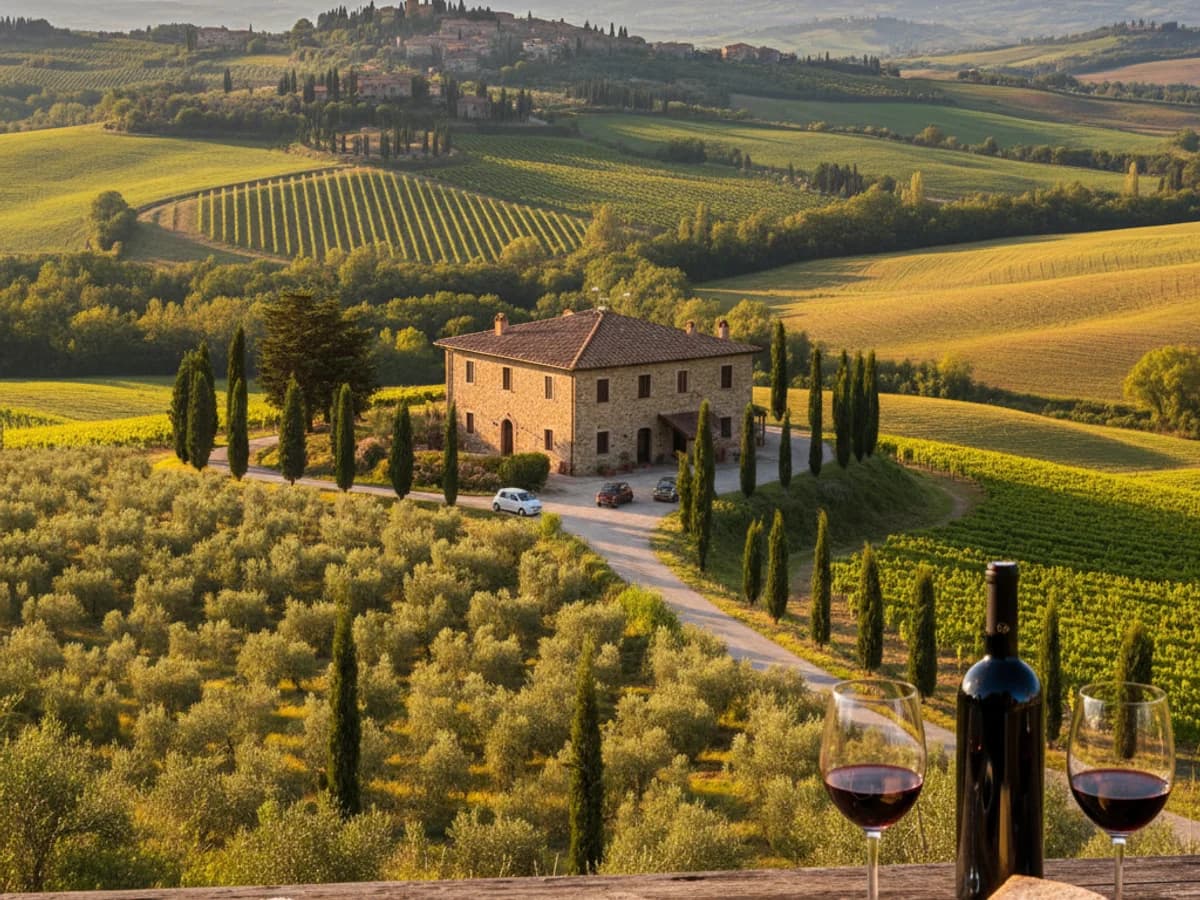

Choosing the Right Region: The Most Important Decision
Choosing where to live in Italy is arguably the most consequential decision you will make in your retirement journey. Italy is not one country in terms of lifestyle — it is twenty remarkably distinct regions, each with its own dialect, cuisine, landscape, climate, cost of living, and cultural identity.
The difference between retiring in a fishing village on the Puglian coast and a town overlooking Lake Como is as dramatic as the difference between retiring in Arizona and Vermont. Climate, budget, proximity to airports, quality of local healthcare, availability of English-speaking services, and the existing expat community all vary enormously.
📌 Key Takeaways
- Each Italian region offers a radically different lifestyle, climate, and cost
- Southern regions (Puglia, Sicily, Abruzzo) are more affordable and some qualify for the 7% flat-tax
- Tuscany and the Lakes offer better healthcare infrastructure but at higher costs
- Visiting multiple regions in different seasons is essential before settling
- Airport proximity and access to English-speaking specialists vary considerably
This guide profiles the most popular and promising regions for foreign retirees, providing the specific information you need to narrow your search.
Puglia: The Rising Star
Why Puglia Tops the List
Puglia, occupying the "heel" of Italy's boot, has become the single most popular destination for foreign retirees in Italy. The combination of stunning coastline, unique architecture (trulli houses, Baroque towns), extraordinary cuisine (orecchiette, burrata, Primitivo wine), affordability, and qualification for the 7% flat-tax makes it irresistible.
Climate
Puglia enjoys a Mediterranean climate with hot, dry summers (30-35 degrees Celsius) and mild winters (8-14 degrees). Rainfall is concentrated in November through February. Expect over 300 days of sunshine per year — one of the highest rates in Italy.
Top Towns for Retirees
- Ostuni — the "White City," perched on a hill with views to the sea. A significant English-speaking expat community. Excellent restaurants and markets. Population under 30,000, and many surrounding rural areas qualify for the flat tax
- Lecce — the "Florence of the South," famous for Baroque architecture. More urban feel with a university, cultural events, and nightlife. Population around 95,000 (does not qualify for flat tax), but many nearby towns do
- Monopoli — charming fishing town with a lively centro storico and beautiful beaches. Growing international community
- Carovigno — quieter alternative to Ostuni, with lower property prices and authentic village life. Qualifies for the flat tax
- Cisternino — tiny whitewashed town known for its fornelli pronti (open-air butcher grills). Very affordable. Flat tax eligible
Cost of Living
Puglia is among Italy's most affordable regions. A couple renting a 2-bedroom apartment can live comfortably on EUR 1,800-2,400/month. Property prices range from EUR 800-1,800 per square meter in most towns.
💡 Good to know
As a retiree in Puglia, you can benefit from reduced-price public services (transportation, cinemas, museums) with a simple application to the comune. Local markets also offer significantly lower prices than supermarkets.
Healthcare
ASL Lecce and ASL Bari are the main health authorities. Major hospitals include Vito Fazzi (Lecce) and Ospedale Di Venere (Bari). Wait times for specialists can be longer than in the north, and many retirees supplement SSN with private consultations. Private clinics in Bari offer English-speaking specialists.
For more details on healthcare access, see our guide to accessing healthcare in Italy.
Getting There
Bari Karol Wojtyla Airport (BRI) and Brindisi Salento Airport (BDS) serve the region with direct flights to London, Paris, Berlin, Munich, and other European cities. During summer, connections expand significantly.
Tuscany: The Classic Choice
Why Retirees Choose Tuscany
Tuscany needs little introduction. The rolling hills of Val d'Orcia, the Renaissance treasures of Florence and Siena, world-class Chianti and Brunello wines, and a centuries-old tradition of welcoming foreign residents make it Italy's most iconic retirement destination.
Climate
Tuscany has a varied climate. The coast and southern areas enjoy mild Mediterranean weather. Inland hill towns can be cool in winter, with occasional frost and even snow at higher elevations. Summers are warm (28-35 degrees) but less humid than the coast.
Top Towns for Retirees
- Cortona — hilltop town made famous by "Under the Tuscan Sun." Well-established expat community, excellent views, and easy access to both Florence and Rome
- Montepulciano — wine town extraordinaire, with Vino Nobile and stunning architecture. Smaller and quieter than more touristic alternatives
- San Gimignano — the medieval "Manhattan" with its famous towers. Very touristic in summer but charming year-round
- Lucca — walled city with a relaxed atmosphere, excellent cycling on the walls, and proximity to the Versilia coast
- Volterra — ancient Etruscan town with a strong artistic tradition and fewer tourists
Cost of Living
Tuscany is moderately expensive by Italian standards. A couple should budget EUR 2,500-3,500/month depending on location. Property prices vary enormously — from EUR 1,500/sqm in less-known areas to EUR 4,000+/sqm near Florence or in prime Val d'Orcia locations.
Note: Tuscany does not qualify for the 7% flat tax regime. Retirees choosing Tuscany will pay standard Italian progressive tax rates on foreign income.
Healthcare
Tuscany's healthcare system is among Italy's best. The Azienda Ospedaliero-Universitaria Careggi in Florence is a major teaching hospital with high standards. ASL Toscana Sud Est covers the popular retirement areas around Siena, Arezzo, and Grosseto. English-speaking doctors are more readily available than in southern regions.
Getting There
Florence (FLR) and Pisa (PSA) airports serve the region. Pisa has more low-cost carrier connections. Florence is on the high-speed rail network (1.5 hours to Rome, 1.75 hours to Milan).
Sicily: Culture at Low Cost
Why Retirees Choose Sicily
Sicily offers the most dramatic landscapes, richest history, and lowest costs of any major Italian retirement destination. From the ancient Greek temples of Agrigento to the Baroque towns of the Val di Noto, from the volcanic drama of Mount Etna to the crystal waters of Favignana, Sicily is extraordinary.
Climate
Sicily is Italy's warmest region. Coastal areas enjoy mild winters (10-16 degrees) and hot summers (30-38 degrees). The interior can be surprisingly cool in winter. Rainfall is low, especially on the southern coast.
Top Towns for Retirees
- Taormina — perched above the Ionian Sea with views of Etna. Upscale, international, and well-connected. Population under 11,000 — flat tax eligible
- Cefalù — charming Norman town on the northern coast with a famous cathedral and beautiful beach. Flat tax eligible
- Ragusa Ibla — stunning Baroque gem in southeastern Sicily. Extremely affordable. Flat tax eligible
- Syracuse (Ortigia) — ancient Greek city with a spectacular island old town. Growing expat community. The comune of Syracuse itself exceeds 20,000, but nearby towns qualify
- Marsala — western Sicily wine town near Trapani. Very affordable, with access to the Egadi Islands
Cost of Living
Sicily is the most affordable major region. A couple can live very well on EUR 1,600-2,200/month. Property is remarkably cheap — EUR 500-1,200/sqm in many towns, with some villages offering even lower prices.
⚠️ Warning
Sicily's healthcare infrastructure is improving but remains below northern standards. For complex or specialized procedures, plan for travel to Catania or Palermo, located 2-3 hours away by car. Supplementary private health insurance is strongly recommended.
Healthcare
Sicily's public healthcare infrastructure is improving but remains below the standards of Northern and Central Italy. Major hospitals include Garibaldi-Nesima (Catania) and Civico (Palermo). Retirees in smaller towns often travel to Catania or Palermo for specialist care. Private health insurance is strongly recommended as a supplement.
Getting There
Catania Fontanarossa (CTA) and Palermo Falcone-Borsellino (PMO) airports offer extensive European connections. Trapani Birgi (TPS) serves western Sicily with low-cost flights.
The Italian Lakes: Lombardy and Veneto
Why Retirees Choose the Lakes
Lake Como, Lake Garda, and Lake Maggiore offer a lifestyle that combines Mediterranean charm with Alpine scenery. The microclimate around the lakes allows palm trees and lemon groves to flourish alongside mountain views. The area attracts an international, often affluent, community and offers excellent infrastructure.
Climate
The lakes create a temperate microclimate. Summers are warm (25-32 degrees) but less scorching than the south. Winters are mild for northern Italy (2-8 degrees) but can be grey and foggy. Autumn foliage is spectacular.
Top Towns for Retirees
- Bellagio (Lake Como) — the "Pearl of the Lake," at the junction of Como's two branches. Upscale and touristy but breathtaking
- Menaggio (Lake Como) — quieter western shore with a pleasant town center and excellent hiking
- Sirmione (Lake Garda) — thermal spa town on a peninsula. Well-connected and popular with retirees
- Gardone Riviera (Lake Garda) — elegant town with a rich cultural history and mild microclimate
- Stresa (Lake Maggiore) — gateway to the Borromean Islands, with grand hotels and stunning views
Cost of Living
The Lakes are among Italy's more expensive areas. Couples should budget EUR 3,000-4,000/month. Lakefront property is premium, often EUR 3,000-8,000/sqm. However, towns a few kilometers inland offer significant savings.
This region does not qualify for the 7% flat tax regime.
Healthcare
Lombardy and Veneto have Italy's best-rated healthcare systems. Hospitals like Ospedale San Raffaele (Milan) and Ospedale di Desenzano del Garda are world-class. English-speaking medical professionals are more common. Wait times for SSN specialist appointments are generally shorter than elsewhere.
Getting There
Milan Malpensa (MXP) is one of Europe's major international airports, with global connections. Milan Linate (LIN) and Bergamo Orio al Serio (BGY) provide additional options. The high-speed rail network connects Milan to the rest of Italy efficiently.
Abruzzo: The New Tuscany
Why Retirees Choose Abruzzo
Abruzzo has earned the nickname "the new Tuscany" for offering similar landscapes — mountains, medieval villages, rolling countryside — at a fraction of the cost. Add an Adriatic coastline, excellent national parks (Gran Sasso, Majella, Abruzzo National Park), and qualification for the 7% flat tax, and Abruzzo becomes one of Italy's most compelling retirement destinations.
Climate
Abruzzo's climate varies with altitude. The coast enjoys mild winters (5-10 degrees) and warm summers (28-33 degrees). Mountain areas see significant snowfall in winter, making them attractive for retirees who enjoy skiing.
Top Towns for Retirees
- Sulmona — charming town in the Peligna Valley, famous for confetti (sugared almonds) and surrounded by mountains. Growing English-speaking community. Flat tax eligible
- Lanciano — hilltop town between the coast and the Majella mountains. Excellent quality of life at very low cost. Flat tax eligible
- Ortona — coastal town with a medieval castle and good beach access. Affordable and well-connected
- Scanno — mountain village on a lake, surrounded by national park. Very affordable but isolated
- Vasto — coastal town with a lively old town and easy access to Puglia
Cost of Living
Abruzzo is one of Italy's most affordable regions. A couple can live comfortably on EUR 1,700-2,300/month. Property prices are among the lowest in the country — EUR 600-1,500/sqm in most towns.
Healthcare
ASL Lanciano-Vasto-Chieti and ASL L'Aquila serve the region. Healthcare quality is good but specialist availability is more limited. The nearest major hospital centers are in Pescara and Chieti. Some retirees travel to Rome (1.5-2 hours by car from most of Abruzzo) for complex procedures.
Getting There
Pescara Airport (PSR) has limited but growing connections to European cities. Rome Fiumicino (FCO) is accessible via the A24/A25 motorway (2-2.5 hours). The Rome-Pescara railway line provides regular service.
Sardinia: Island Living
Why Retirees Choose Sardinia
Sardinia offers a unique retirement experience: an island lifestyle with crystal-clear waters, a distinct cultural identity, excellent food (suckling pig, bottarga, Cannonau wine), and a pace of life even slower than mainland Italy. Sardinia's Blue Zones — areas with the world's highest concentration of centenarians — suggest that the island lifestyle genuinely promotes longevity.
Climate
Sardinia enjoys a Mediterranean climate with hot, dry summers and mild, wet winters. The northeast coast (Costa Smeralda area) can be quite windy. The interior has cooler temperatures and more rain.
Top Towns for Retirees
- Alghero — Catalan-influenced town on the northwest coast with a beautiful old town and excellent seafood. Good flight connections
- Bosa — colorful riverside town with a medieval castle. Very affordable and authentic
- Castelsardo — dramatic cliff-top town in the north
- Villasimius — southern coast beach town, quieter in winter but stunning year-round
Cost of Living
Slightly higher than the mainland south due to island supply chain costs (groceries and fuel are 5-15% more). Housing is affordable outside the Costa Smeralda. Budget EUR 2,000-2,800/month for a couple.
The entire island qualifies for the 7% flat tax regime (population restrictions apply at the municipal level).
Healthcare
Sardinia's healthcare system is adequate but faces challenges of insularity. Major hospitals are in Cagliari (south) and Sassari (north). Specialist availability is more limited, and air evacuation to the mainland may be necessary for complex procedures. Private insurance is advisable.
Liguria: The Italian Riviera
Why Retirees Choose Liguria
The Italian Riviera — from the Cinque Terre to the French border — offers dramatic coastal scenery, a mild year-round climate, proximity to France (Nice is 2.5 hours from the western Riviera), and a sophisticated lifestyle. Towns like Sanremo, Bordighera, and Alassio have attracted international retirees for over a century.
Key Characteristics
- Climate: the mildest in Northern Italy. Winters rarely drop below 8 degrees on the coast. Protected from cold northern winds by the mountains
- Cost: moderate to high. More affordable than the Lakes but pricier than the south. Budget EUR 2,500-3,500/month
- Does not qualify for the 7% flat tax
- Healthcare: good, with hospitals in Genoa (San Martino is a major medical center) and Sanremo
Comparison Table: Key Metrics by Region
| Region | Monthly Budget (EUR) | Property Price/m² | Flat Tax 7% | Healthcare Rating | Expat Community |
|---|---|---|---|---|---|
| Puglia | 1,800-2,400 | 800-1,800 | ✓ Yes | Good | ★★★★★ |
| Tuscany | 2,500-3,500 | 1,500-4,000+ | ✗ No | Excellent | ★★★★★ |
| Sicily | 1,600-2,200 | 500-1,200 | ✓ Yes | Average | ★★★★ |
| Italian Lakes | 3,000-4,000 | 3,000-8,000 | ✗ No | Excellent | ★★★★ |
| Abruzzo | 1,700-2,300 | 600-1,500 | ✓ Yes | Good | ★★★ |
| Sardinia | 2,000-2,800 | 1,000-2,500 | ✓ Yes | Average | ★★★ |
| Liguria | 2,500-3,500 | 2,500-6,000 | ✗ No | Very Good | ★★★★ |
How to Choose: A Decision Framework
Consider ranking the following factors according to your personal priorities:
- Budget: Southern Italy and islands offer the best value. The north and Tuscany cost 30-60% more
- Climate preference: hot and dry (Sicily, Puglia) vs. temperate (Lakes, Liguria) vs. four-season (Abruzzo mountains)
- Flat tax eligibility: only southern regions qualify. This factor alone can save hundreds of thousands of euros over a decade. Learn more about elective residency in Italy
- Healthcare quality: Northern Italy and Tuscany have the highest-rated systems. The south is improving but gaps remain
- Airport access: essential for retirees who travel frequently or receive visitors
- Expat community: larger communities in Puglia, Tuscany, and the Lakes. Smaller (but growing) in Abruzzo, Sicily, and Sardinia
- Language: English is more widely spoken in touristy and northern areas. Basic Italian is essential everywhere but critical in the south and on islands
- Walkability: many Italian towns are hilly and have cobblestone streets. Consider mobility needs
- Cultural interests: art and museums (Tuscany, Rome area), food and wine (everywhere, but Puglia, Sicily, and Piedmont excel), outdoor activities (Abruzzo, Lakes, Sardinia)
Visiting Before Committing
No guide can replace personal experience. Before choosing your retirement location:
- Visit at least three different regions during different seasons
- Spend at least two weeks in your top choice, ideally during the off-season (November-February) when you see the town without its tourist varnish
- Talk to other expat retirees — join online communities like Expats in Italy, Italy Magazine forums, or Facebook groups for specific towns
- Rent before buying — live in an area for at least six months before committing to a property purchase
Conclusion
Italy offers retirees an extraordinary range of choices, from the sun-drenched coasts of Sicily and Puglia to the refined elegance of Tuscany and the Lakes. The best region for you depends on your budget, lifestyle preferences, health needs, and tax situation. For most retirees seeking the optimal balance of affordability, tax efficiency, climate, and quality of life, the qualifying southern regions — particularly Puglia, Sicily, and Abruzzo — offer the strongest overall package in 2026. But Italy's beauty lies in its diversity: there is a perfect corner of this country for every retiree willing to explore.
Frequently Asked Questions
Which is the best region for retirees with a limited budget?
Sicily and Abruzzo offer the best value for money, with a monthly budget of 1,600-2,300 EUR for a couple. Puglia and Sardinia are also very affordable. These regions also benefit from qualification for the 7% flat-tax, which can save thousands of euros annually on taxes.
What is the best climate for retirees?
It depends on your preferences. Puglia and Sicily offer the warmest and sunniest climate (300+ days of sunshine per year). The Lakes offer a temperate climate with four distinct seasons. Tuscany and Liguria propose a balance between the two. If you prefer to avoid cold winters, choose the south; for lovers of seasonal variations, Abruzzo or the Lakes are more suitable.
Where is the best healthcare system in Italy?
Lombardy, Veneto, and Tuscany have the highest-rated healthcare systems. Hospitals like Careggi (Florence) and San Raffaele (Milan) are world-class. If health is your absolute priority, consider Tuscany or the Lakes, despite higher costs.
How long should I stay before buying property?
It is strongly recommended to rent for at least 6 to 12 months before buying. This allows you to live authentically, test different seasons, understand the local community, and truly identify the place that suits you. Many retirees change their minds after a few months.
Can I get the 7% flat-tax in all regions?
No. Only southern regions and islands qualify: Puglia, Basilicata, Calabria, Sicily, Sardinia, Molise, Campania (for certain areas), and Abruzzo. Population restrictions apply at the municipal level. Check the qualification of the specific comune before buying.
What is the level of English spoken in small towns?
Generally, the smaller and more southern the town, the less English is spoken. Cortona and Lucca (Tuscany) have established expat communities with more English speakers. In Sicily, Puglia, and Abruzzo, small towns have few English speakers. Planning to have basic Italian knowledge (or being ready to learn it) is essential.
Which region is best suited for a first year of retirement?
For inexperienced retirees, Puglia offers the best balance: established expat community, airport access, affordable costs, pleasant climate, and flat-tax qualification. Ostuni and Lecce are particularly recommended for first attempts.